Tracing Nature’s trail into the laboratory: A Treasure-Seeking Expedition with Cassandra Quave
Dr. Cassandra Quave, Ph.D.
Who would have thought that mangoes, cashews and poison Ivy have anything in common? Sweet & savory, crunchy, and poisonous!
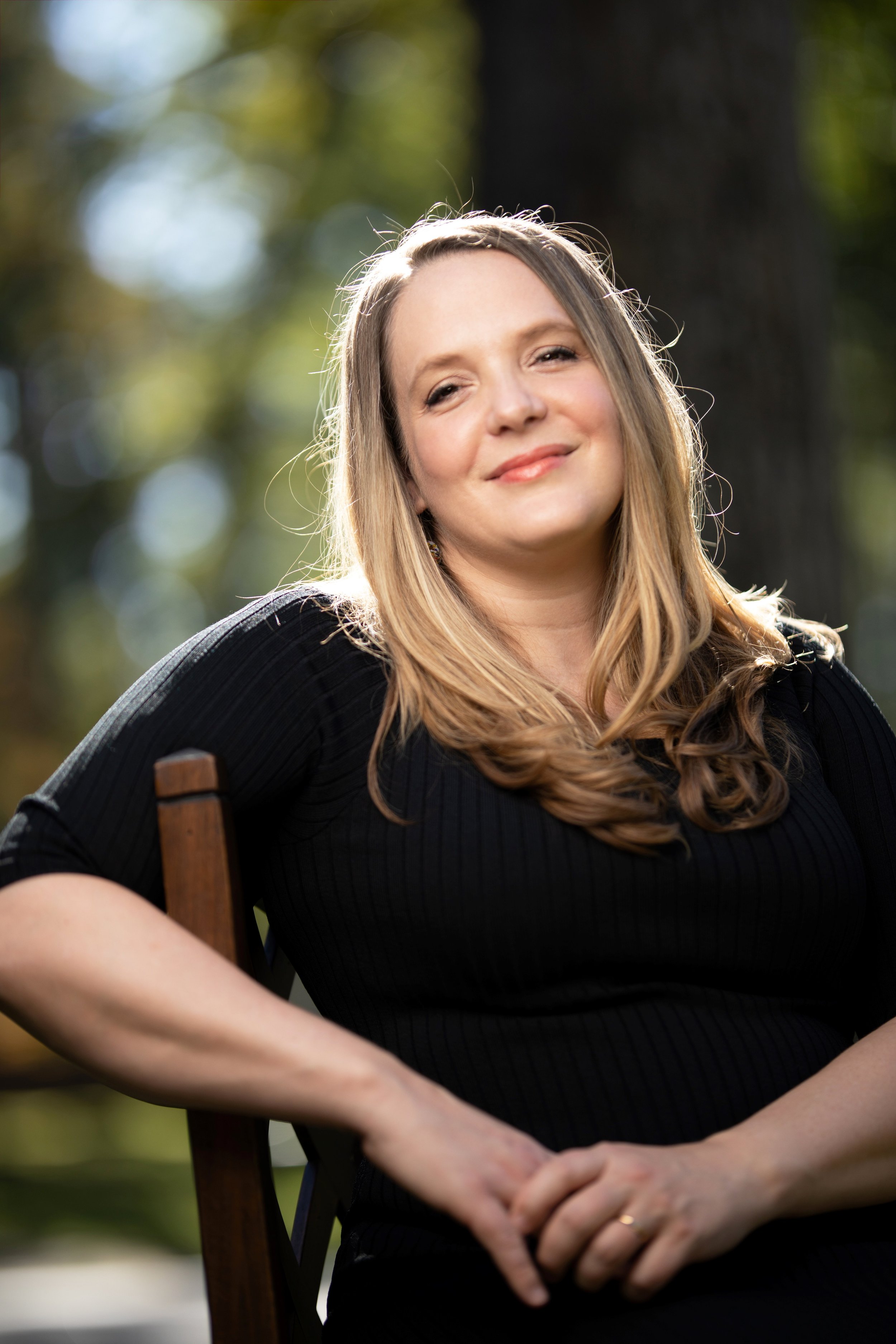
Photo of Dr. Quave with permission
Let us delve into the world of the Director of Emory University Herbarium, Professor of Dermatology and Human Health, Associate Dean for Core Facilities, Co-Founder and Chief Science Officer for Verdant Scientific, Inc., podcaster, writer, and inventor: Dr. Cassandra Leah Quave. She is an internationally renowned medical ethnobotanist and principal investigator conducting research at Emory University in Atlanta, Georgia. Her research investigates the use of plants for traditional medicines.
To unpack the essence of our conversation, it might help to take a step back for a moment. What is traditional medicine and how far back does the use of plants for medicine date? From at least 60,000 years ago, based on fossil records, humans have used plants as medicine (traditional medicine) even to the point of establishing a system for the practice called ethnomedicine. Even so, ethnomedicine is more than just looking for plants and trying each one until the medicine is found.
The process of identifying traditional medicine heavily involves understanding the use of plants to treat illnesses through cultural lenses and associated historical traditions, then refinement with drug discovery tools available at a given time.
Today, at least 40% of medicines are derived from plants. Given how far back traditional medicines have existed, 40% nonetheless reflects that we have a long way to go in making these more widely accepted and practiced standards of treatment.
At the forefront of drug discovery, the Quave laboratory begins by finding information about plants with potential medicinal use. After finding information on which plants to investigate, Quave travels with members of her lab, to the determined dwelling place of chosen plants (including the Arabia National Mountain Heritage) to collect samples and add them to a growing collection of at least 24,000 samples at Emory’s herbarium.
Quave’s adventures in nature’s pharmacy included stepping into deep European regions in Kosovo, then homelands of the Indigenous Americans and everywhere in between; an expedition to say the least. Throughout the exploration, in her words, “I really let tradition guide our use whether that's through modern day interviews where we gather that information under all the guidelines of ethical engagement and under the Nagoya protocol” and continues to say, “I try to really focus on what humans found to work and then our job is really to understand: How does it work? What molecules are responsible? Is it safe? How effective is it? Are there any unknown toxic effects?”
Simply put, Quave explores the medicinal properties of plants and further examines their effectiveness, benefits and in some instances unearths medicinal discoveries. From approximately 1000 species of plants already in the collection, extracts or components are derived from the plants then vetted through screening tests in search of a potential target. The new information is then added to a chemical library. From the archives of information, a series of questions may be answered. Unanswered questions leave room to uncover a new mystery. Novel discoveries in the Quave lab can result in filing patents which enables Quave to secure proprietary rights to the newfound medicinal applications of said plants. The overarching goal of Quave’s research is to provide access to knowledge which can directly translate to medicines used in a clinic setting or add depth to the field of plant-derived medicines.
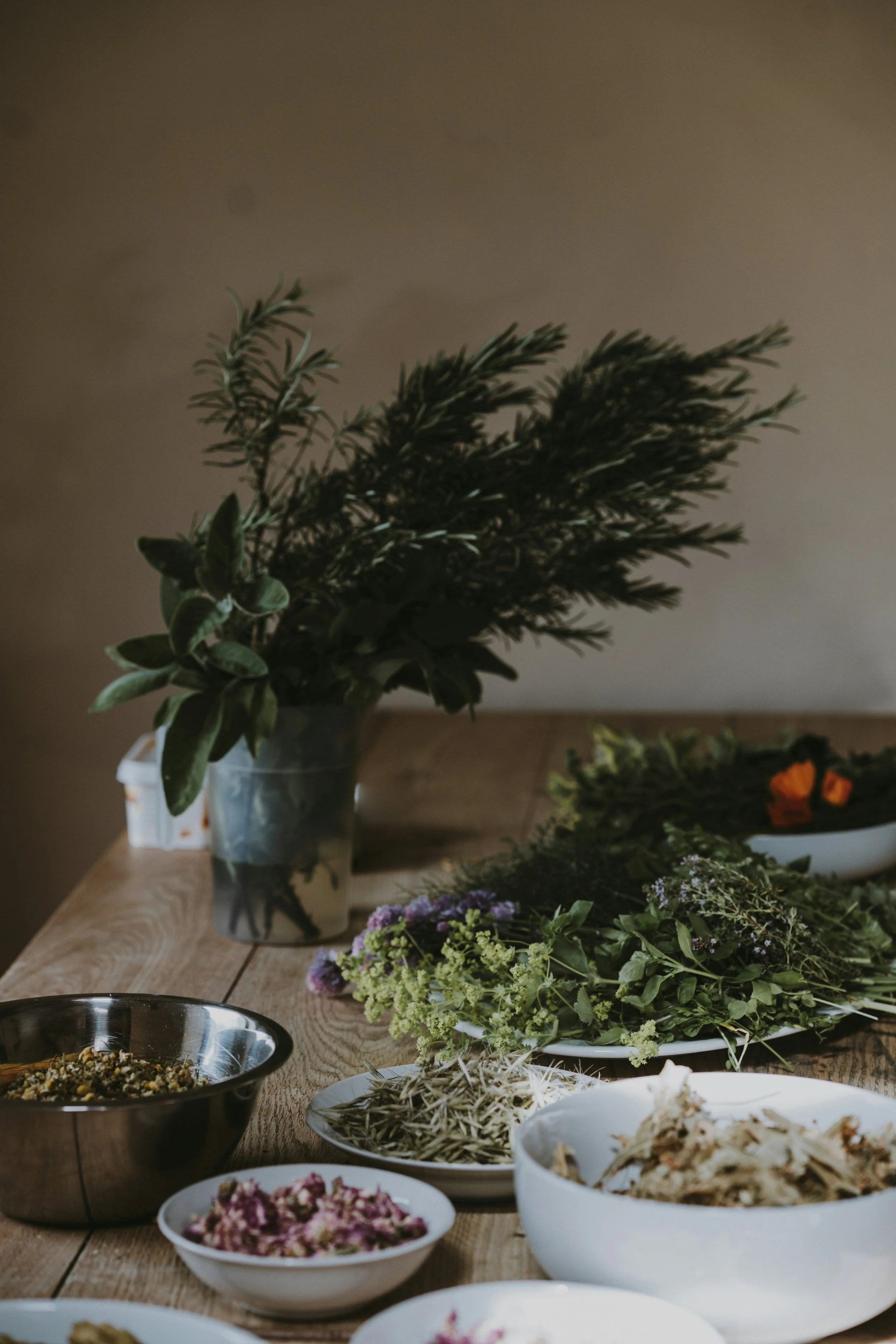
Photo by Annie Spratt on Unsplash
During the interview with Quave, I learned that mangoes, cashews and poison Ivy belong to the same family of plants called Anacardiaceae – a name as complex as the family itself. It took me a few tries to pronounce the word correctly and thereafter, gladly went along with the more commonly used nickname of “Cashew family”.
Beyond that, I was captivated by Quave’s journey into the study of plants as they relate to people, cultures and their use for medicine also known as Ethnobotany. The Quave lab has done extensive research on the Cashew family. For example, in 2021, as the Quave lab wrote a systematic review on published literature from 1946 to 2019, they noticed the Cashew family quickly rising to the top of the list as one of the representative families with bacteria-fighting or antibacterial activity.
Notably, in addition to South Africa being the predominant site of plant sample collection, the group identified that most sources of extraction for medicinal purposes were the leaves. Complementing this knowledge, their research showed that the most targeted microbe, unseen with the naked eye, was a bacteria known as Staphylococcus aureus which lives on our skin. The problem is not the visibility (now that we have powerful microscopes and other imaging tools) or size but rather the resistance of this microbe to killing. In 2017, the Quave lab set out to understand this villain of a microbe; an enemy that can be so lethal.
Based on known historical use of the Brazilian pepper tree (Schinus terebinthifolia Raddi) for treatment of wounds, ulcers and respiratory infections, Quave and her team conducted research using extracts from this tree. In fact, the Brazilian pepper tree is also a member of the Cashew family we previously encountered! Results from their research revealed that indeed the Brazilian pepper tree demonstrated its healing properties. The Quave lab observed a reduction in the severity of sickness and prevention of skin irritation in the mouse model they previously subjected to a type of Staphylococcus aureus that resists killing by an antibacterial agent called methicillin (MRSA). Followed by a high degree of excellence, an even more compelling outcome from research on the Brazilian pepper tree and supporting research is a patent application, that was filed by Emory University, on which Quave is named as co-inventor. In 2021, the patent was granted and is still currently active.
From the discovery of bacteria in the 19th century to the breakthrough of the widely used antibiotic known as penicillin in the 20th century, harm to human health continues even now. Unfortunately, antibiotic resistance is the cause of at least one million deaths every year since 1990. An increasing estimated rate of infections of this nature are projected to claim more than 39 million lives between now and 2050 if nothing is done to address this matter. Thankfully, Quave’s research is coming to the rescue!
Complimentary to the patent that culminated from verifying the medicinal properties of the Brazilian pepper tree against MRSA, a patent application followed showcasing the heroism of yet another member of the Cashew family along with other plant families. Starting with at least 1,867 extracts, the Quave lab discovered the antiviral activity or prevention of the entry, into cells, of the renowned Severe Acute Respiratory Syndrome Coronavirus 2 (SARS-CoV-2) that, not too long ago forced us to quarantine during the pandemic. Of note, Quave demonstrated antiviral activity of tested extracts, on SARS-CoV-2-infected human embryonic kidney and cancer-derived cells, to name a few. Despite screening for antiviral or antifungal properties, the most preferred targets of interest in the Quave lab are antibacterial.
Rightfully so, not only because of the alarming statistics we now know but more so because as recounted in her memoir The Plant Hunter, Quave shares a first-hand experience (and am sure many of us can relate) with the menace of bacterial infections. So, she knows how devastating such an encounter can be. As the Chinese philosopher San Tzu said, “If you know the enemy and know yourself, you need not fear the result of a hundred battles.”
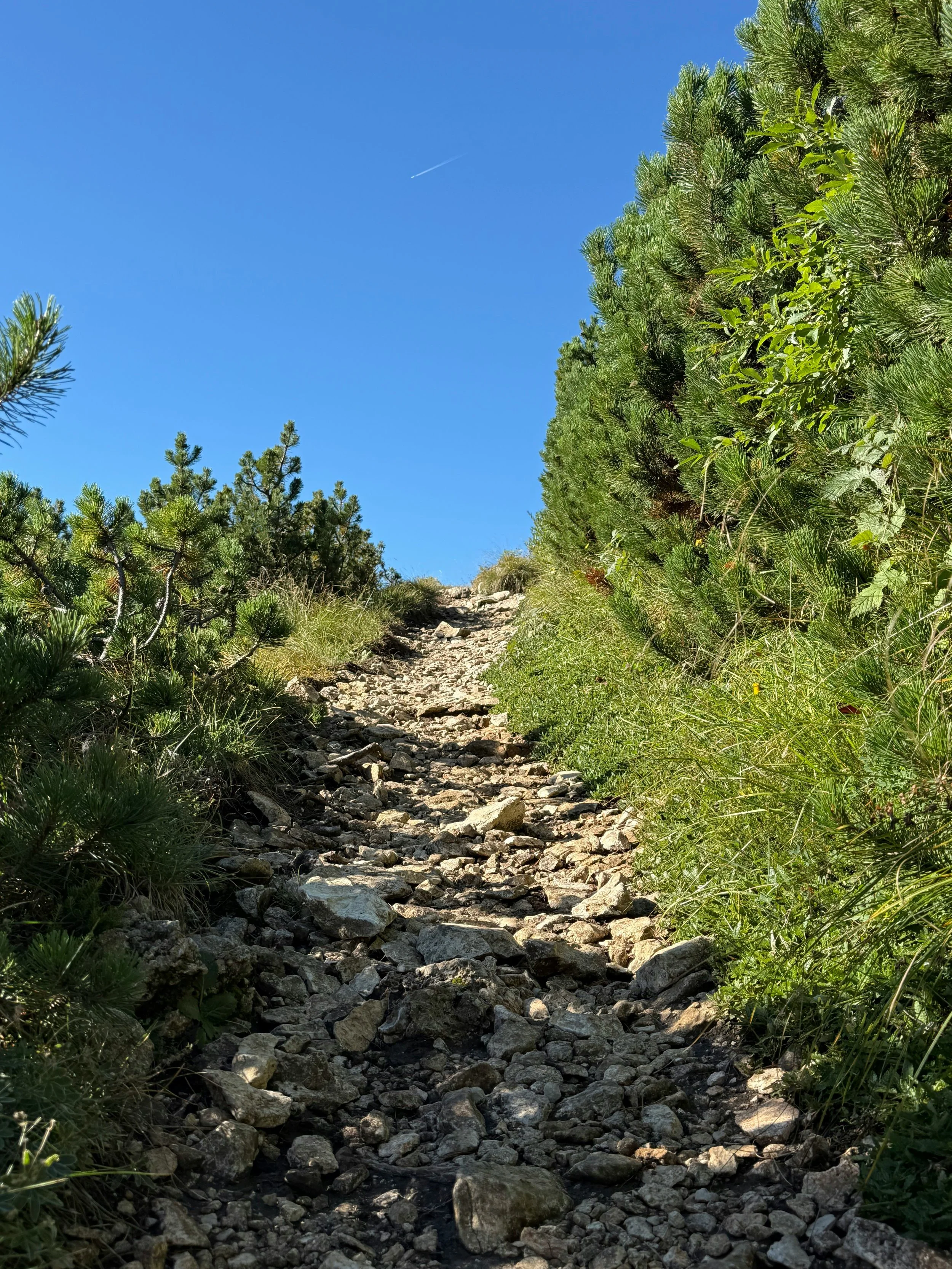
Photo by Michael Martinelli on Unsplash
In addition to her ordeal of searching for medicinal plants, Quave shared her personal experiences and journey in science communication. Quave’s personal journey in science led her to ensuring accessibility of both the use of plants for medicine and sharing scientific findings through science communication. In her words, “Your story deserves to be told in your own voice.”
During the interview, Quave stated that she grew up in a rural and agricultural community, in Arcadia, Florida, where opportunities to learn about science were minimal. However, she has overcome numerous challenges both personal and professional. Quave faced health complications from living with a disability but through it all, her devotion to science remained unshaken. At the same time, while traveling to new territory, Quave and her team overcame the roughness and unfamiliarity of physical terrains in search of that one plant.
Following this, as a scientist sustaining collaborations that emerged from the persistent work poured into reviving the common use of traditional medicine, Quave also juggles responsibilities associated with being a wife and mother. Quave continues to attain admirable milestones through education and along with enduring passion she maintains a valuable philosophy: “I think it is important to have that ethos of really celebrating science and wanting to make sure it is accessible to other people so that they can make better decisions.” Quave further elaborated, “When I think about the work that I do, the work that I do matters for everyone. It matters for the farmer down the road, for the person that works at the feed store and even for the person packing my groceries.” She concluded by underscoring an important question central to her work, “How can I make them understand how cool the work that we do in science is, in that it can help develop new medicines?”
“I think it is important to have that ethos of really celebrating science and wanting to make sure it is accessible to other people so that they can make better decisions.”
Continuing with the theme of science communication, Quave found creative ways to share nuggets of her work! Her podcast, Foodie Pharmacology, is in its seventh year! In addition to the podcast, she is happy to share all things ethnobotany on her YouTube channel: TeachEthnobotany. She has been featured in the New York Times Magazine: Could Ancient Remedies Hold the Answer to the Looming Antibiotics Crisis? and National Geographic! She has also received numerous awards for her work including being acknowledged by CNN as one of 2024’s Champions for Change, and being awarded the Duke Excellence in Botanical Literature Award, 2022 on account of her memoir, The Plant Hunter.
Quave is excited about what lies ahead in ethnobotany given the opportunity to use new and advanced technology to identify novel medicinal targets.
Whether you tune in to her podcast or YouTube channel, wait for her next book or stay up to date with research from the Quave lab, no matter the choice, let your passion guide you. Just as you journeyed through this article, here is a keepsake to hold onto on your way out: Quave’s resourcefulness extracts key insights that only scratch the surface of medicinal wonders around us – not to forget our beloved Cashew family. To borrow Tolkien’s words, “not all who wander are lost” — sometimes through wandering, we find what matters.