Day’s approach to fight HIV begins with international collaboration
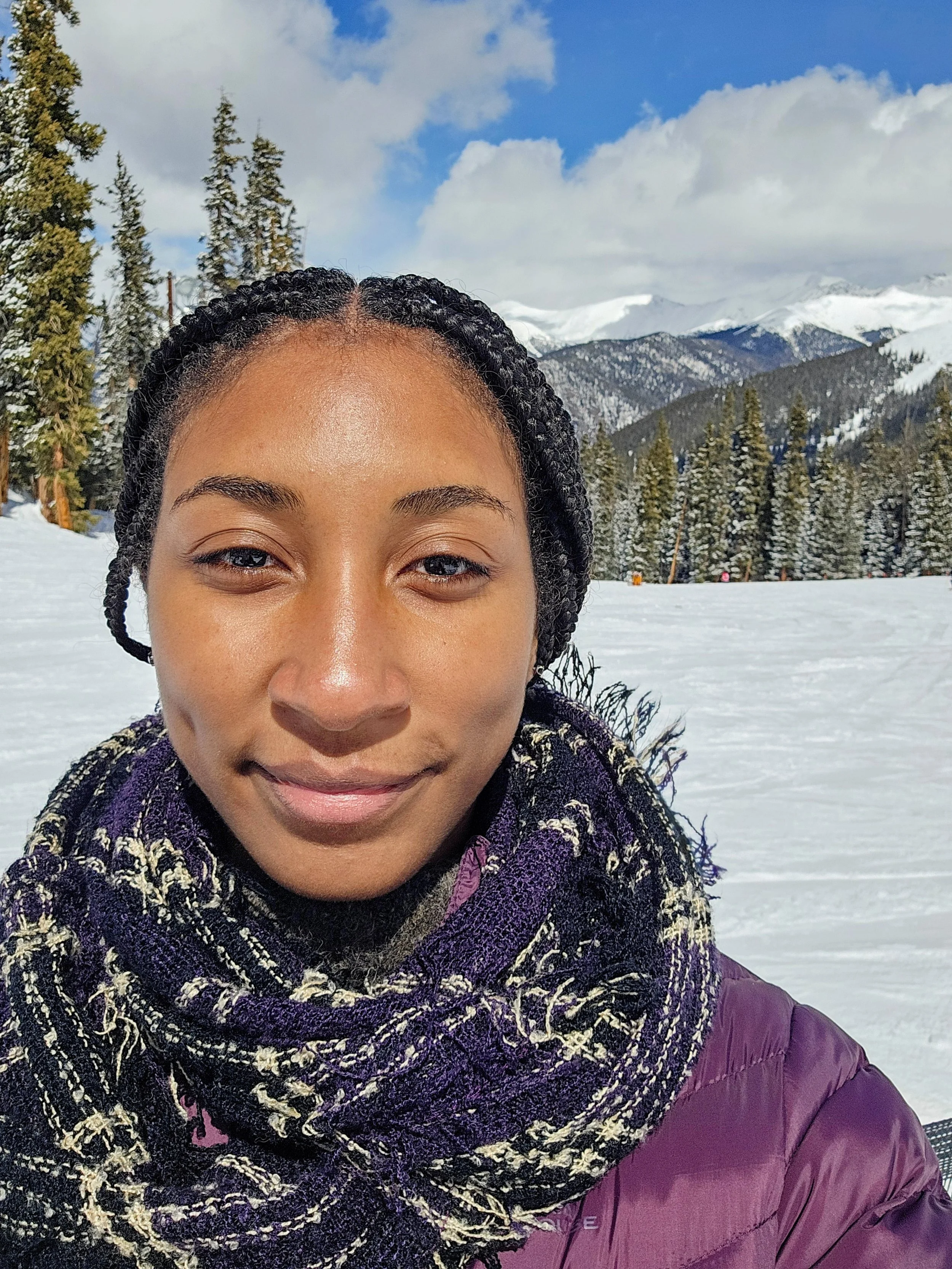
Dr. Cheryl Day, Ph.D.
The fight against AIDS, has been long and arduous but the collaboration of physicians, scientists, and activists has made a major impact on the global burden of AIDS. The number of AIDS related deaths globally have decreased since the 2010. But AIDS continues to be a major public health concern in under-resourced parts of the world such as Kenya and South Africa. Human Immunodeficiency Virus (HIV), the virus responsible for AIDS, led to about 600,000 deaths in 2024.
Recent federal funding cuts pose significant challenges to HIV/AIDS research and critical humanitarian support domestically and internationally. They undermine the importance of long-term research investigations and their potential value to generate new knowledge about the disease. Cheryl Day, an immunologist at Emory University, continues to expand our understanding of how the body fights HIV to develop a cure for the disease.
Cheryl Day began her journey into biomedical research as an Emory undergraduate working as a lab assistant. “That experience influenced me a lot to see what a career in science was like and what PhD students do,” says Day. This early experience not only sparked her interest to study how viruses cause disease but also set her on her path to train as a scientist.
Photo by Bermix Studio on Unsplash
After graduating from Emory University, Day joined the Virology PhD program at Harvard University. Day harbored a desire to carve her own path and was driven by curiosity. “It was a big HIV lab they did a lot of HIV immunology, and I didn’t want to do the same thing everyone else was doing,” says Day. She studied the immune defenses to hepatitis C virus, a virus that infects the liver and transmits through blood, instead of HIV for her graduate work.
Day, a young scientist with a hunger for new experiences, pursued her research work overseas to study immunity to HIV afterwards. She uses her experiences and lessons from cross-country collaborations in her career as a scientist today. “I really wanted to live overseas, and I really wanted that experience,” says Day.
Day carried out her post-doctoral fellowship on HIV at Oxford University with funding support from the Royal Society in 2003. It was at Oxford University, wherein she started to actively collaborate with researchers in South Africa to better understand AIDS. This was around the same time that South Africa was battling a HIV pandemic. At that time, South Africa had the highest burden of HIV cases in the Southern region of Africa and tens of thousands of children were born with HIV. These challenges resulted in major societal and economic shifts in the country. Day found South Africa to be the right place to study the disease. She spent the Summer in South Africa assisting her research collaborators before beginning her work at Oxford.
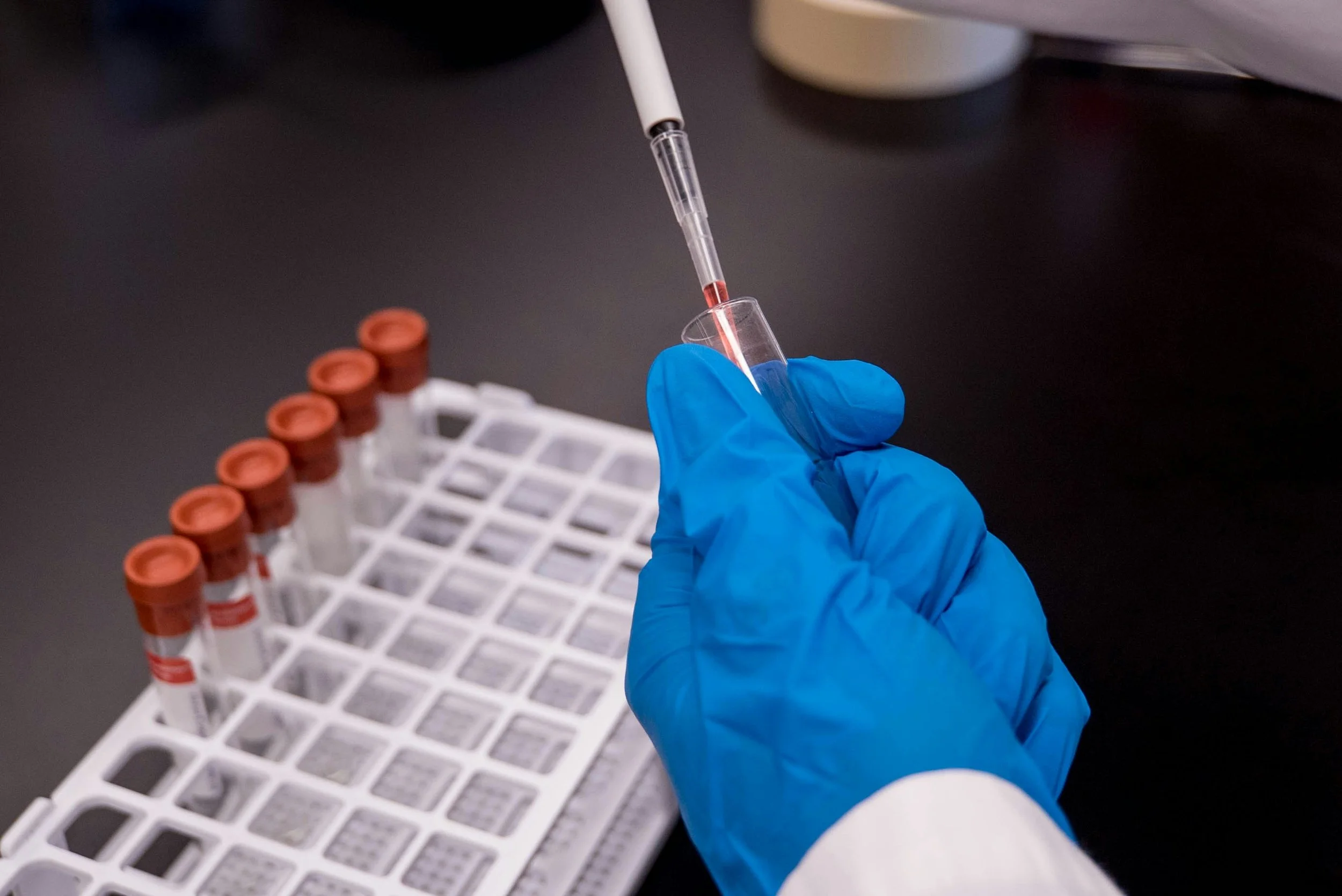
Photo by Trust "Tru" Katsande on Unsplash
During her time as an advancing post-doctoral scientist, she studied immune responses to HIV infection. She travelled between Oxford and Durban, South Africa studying immunity in people with long term HIV infection with funding support from the Doris Duke Charitable Foundation, a non-profit organization founded in 1996 that supports global humanitarian efforts and research. Much of the research funding taking place in South Africa is dependent on the South African federal government which invests far less in research compared to the US.
Through her overseas work, she gained an appreciation for the dedication and efficiency of researchers pursuing their questions with fewer resources. She reminisced her days in Durban wherein labs did not always have everything on their fingertips, but they would improvise and come up with plans as needs arose. “It puts things into perspective how much we take things for granted [in the US],” says Day.
While in Durban, Day also made sure to set aside time to volunteer around the local community that was directly impacted by HIV—some being children living with HIV. These interactions with local volunteers and patients played a significant role in shaping her research interests.
After completing her post-doctoral fellowship with Oxford, she established herself as an independent scientist to pursue her own interests within the field of HIV. She began working at the University of Cape Town in South Africa continuing her work in tuberculosis, a disease that people with untreated HIV infection are at higher risks to develop. Tuberculosis affects the lungs and is caused by the bacteria, Mycobacterium tuberculosis. But this disease is not common in the US so it is an added challenge for researchers in the US to study human samples affected by both TB and HIV.
At the time, Day felt that she could shine as an early scientist and discover major breakthroughs in the field of HIV research. “I was trying to find my niche area that I could kind of establish in an independent area in South Africa,” says Day.
As a result of her unique approach to HIV research, Day is currently a faculty member of the Department of Microbiology & Immunology as well as a full professor and a faculty member of the Emory Vaccine Center. Her past training and experiences continue to fuel her interests in understanding the host immune defenses to global diseases.
In her recent work, the Day Lab studied the human immune defenses in children with HIV to M. tuberculosis infection, the TB causing bacteria that makes them an easy target given their weakened immune system. To do this, they collected blood samples from the HIV infected children who received therapy to study how their immune system would respond to M. tuberculosis.
Day, shows in her recent paper, how specialized immune cells, called T cells, respond to M. tuberculosis. T cells are specific to certain pathogens and are important for long term immunity to pathogens. They found, even months after receiving treatment for HIV, children with HIV made less T cells specific to M. tuberculosis: this phenomenon worsened in older children who had untreated HIV longer.
Children infected with HIV are at higher risk of M. tuberculosis and getting tuberculosis. Day’s work emphasizes the necessity of treating HIV infected people early. Importantly, providing early ART prevents the transmission of HIV from mother to child. “When you treat people for HIV, you can lessen the impact of that on their children,” says Day. Human studies into populations with high rates of HIV have fortunately led to a transformation in how HIV at-risk and infected people are treated. Day says that such research has led to the policy changes and has led to better outcomes in the adults themselves with HIV.
Current ongoing studies in the Day Lab include looking at the impact of other pathogens like cytomegalovirus, a highly prevalent virus that rarely causes disease and can lurk around in the mother’s body. “All these other factors [besides HIV] that are present in the maternal environment may be impacting the child's immune system,” says Day.
Human populations that experience higher rates of specific diseases may only be possible to study in countries outside the US. For example, US based researchers working to explore immune defenses in infants exposed to HIV must look overseas to ask their questions. However, due to recent changes in NIH Policy, studies involving international cohorts have been effectively paused.
For US based researchers who study diseases that are more prevalent in other countries, these funding cuts are challenging. But Day remains optimistic on the future of HIV research and sees the field moving towards chronic illnesses associated with prolonged HIV infection. However, she believes there will be a resurgence in tuberculosis due to the termination of US humanitarian aid that was being provided to combat the global tuberculosis burden. “I don’t think people appreciate the impact that reduced funding and infrastructure for infectious diseases in international settings has—in the coming years there will be more infections,” says Day.